Collectible Vehicles NZ is an iniative sponsored by the Renaissance Aotearoa Foundation, an IRD approved charitable trust [Charities Services Number CC36331]. The Foundation focuses on economic, social, cultural and environmental wellbeing. In economic wellbeing it focuses on creation and sustaining self-employment and small business opportunities, where it deems the $16.5 billion collectible vehicle economy to be of significant economic, social and cultural wellbeing
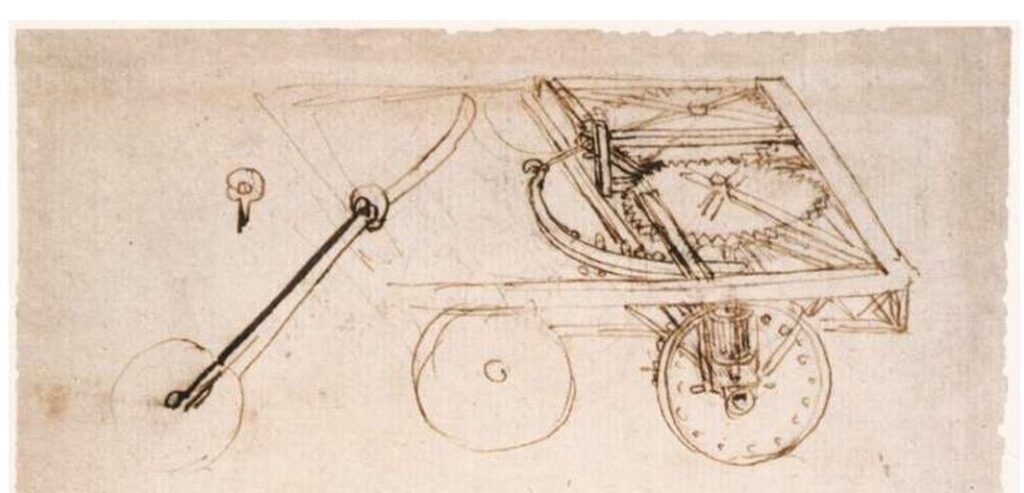
“Restoring a classic car is like performing a heart transplant on history; it requires patience, skill, and the understanding that you’re not just fixing metal and mechanics, but preserving a legacy””
Leonardo da Vinci
Well maybe it wasn’t Leonardo, but he did sketched the first self-propelled car
Anyway, about us… According to the NZ Federation of Motoring Clubs survey, there are about 200,000 collectors of collectible cars, trucks, buses, motorcycles, tractors and military vehicles, and we are exceptionally annoyed at NZTA rules appropriate for late-model Japanese Domestic Model imports, but wholly wrong for collectibles.
This site is maintained by Claude Lewenz, who sponsored the 9,600+ petition to the Minister, was the keynote speaker at the 2025 NZ Federation of Motoring Clubs AGM where all were focused on the minister’s change to WOF for 40+ year old vehicles (thank you Chris Bishop!).
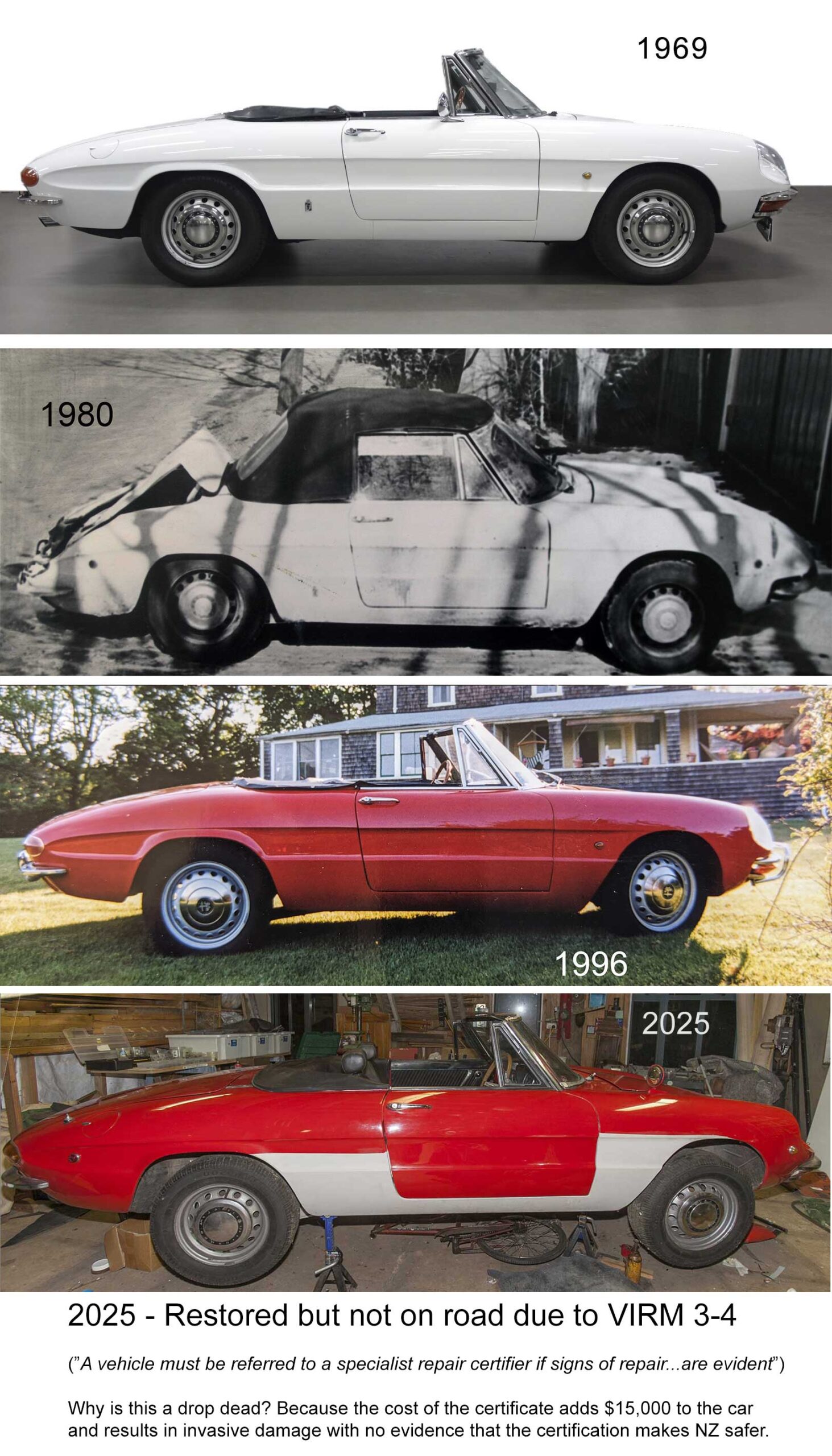
The next push is exempting collectibles from VIRM 3-4.
The photos on this page are some of Claude’s collectibles over the years
“Preconceived notions are the padlocks that keep public officials from imagining anything that benefit the people.”
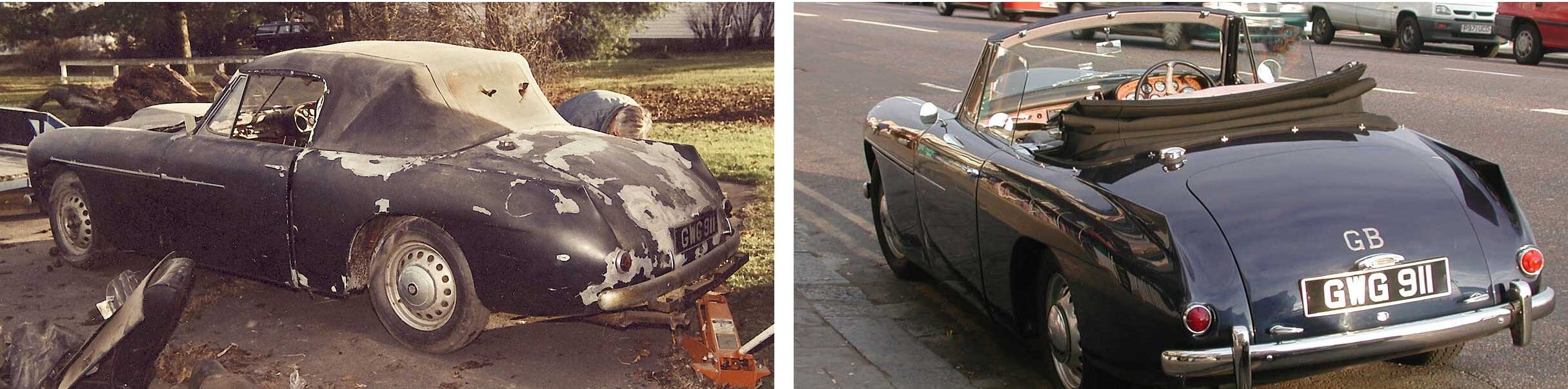
This is a before and after photograph of a 1956 Bristol 405 Drophead, one of 45 made. It was purchased in the USA, found in a barn. It was shipped by the owner to New Zealand where the restoration was about half complete when VIRM 3-4 came into force. Knowing this would add tens of thousands of dollars to the restoration – not to improve the car, but to meet the demands of the repair certifier – notice was publicised on the Bristol Owners Club forum and it was purchased by a London member who had the car shipped back to the UK where it was restored to as-new condition. Two decades later, it is listed for sale in the UK for $300,000. Had VIRM 3-4 not been applied to collectibles, the car would have stayed in New Zealand, would have supported local skilled jobs, and if sold abroad fully restored, would have contributed to the positive balance of trade. This story is common. There are uncounted, but most likely tens of thousands of such collectibles either stuck in sheds in New Zealand because of VIRM 3-4, or not being purchased overseas for restoration by Kiwi collectors because of it.
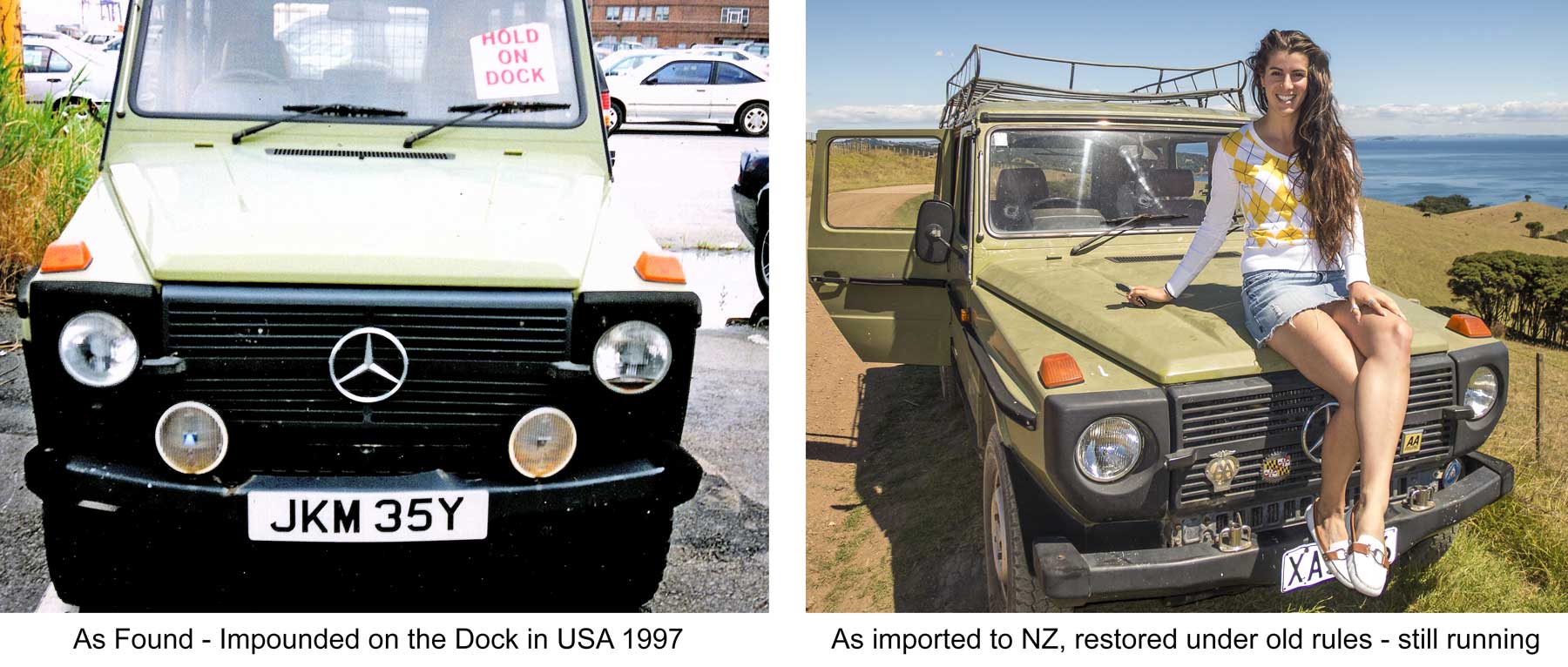
This 1982 G Wagon was purchased by an American while in the UK. He drove it in the UK and then shipped it back to America where it was impounded on the dock because the Mercedes and BMW dealers in the US had paid lobbyists to write a law to suppress import of grey market competition. He was stuck and the car sat on the docks in the salt air (see the rusted water in the headlight) until he was able to sell it to New Zealand migrant who had it exported to NZ. It arrived under the old rules, thus after necessary restoration work – where all the money went into the vehicle, not to certifiers that add no value, it was legally registered and driven on New Zealand roads. It is still running, and now after 28 years will undergo another refurbishment as age does take its toll. But it is being done before its next WoF, not under VIRM 3-4, so no $15,000 added cost of a repair certifier is involved. As it is now a 40+ collectible, it qualifies for the new 1 year WOF rule. Typically it drives about 500 km a year. It has the patina of a work vehicle (G Wagons were originally designed as military vehicles) not the Beverly Hills bling that has become a fashion statement.